Common Conditions Behind Musculoskeletal Pain

Princess Eziolise
Galt Pharmaceuticals Fellow
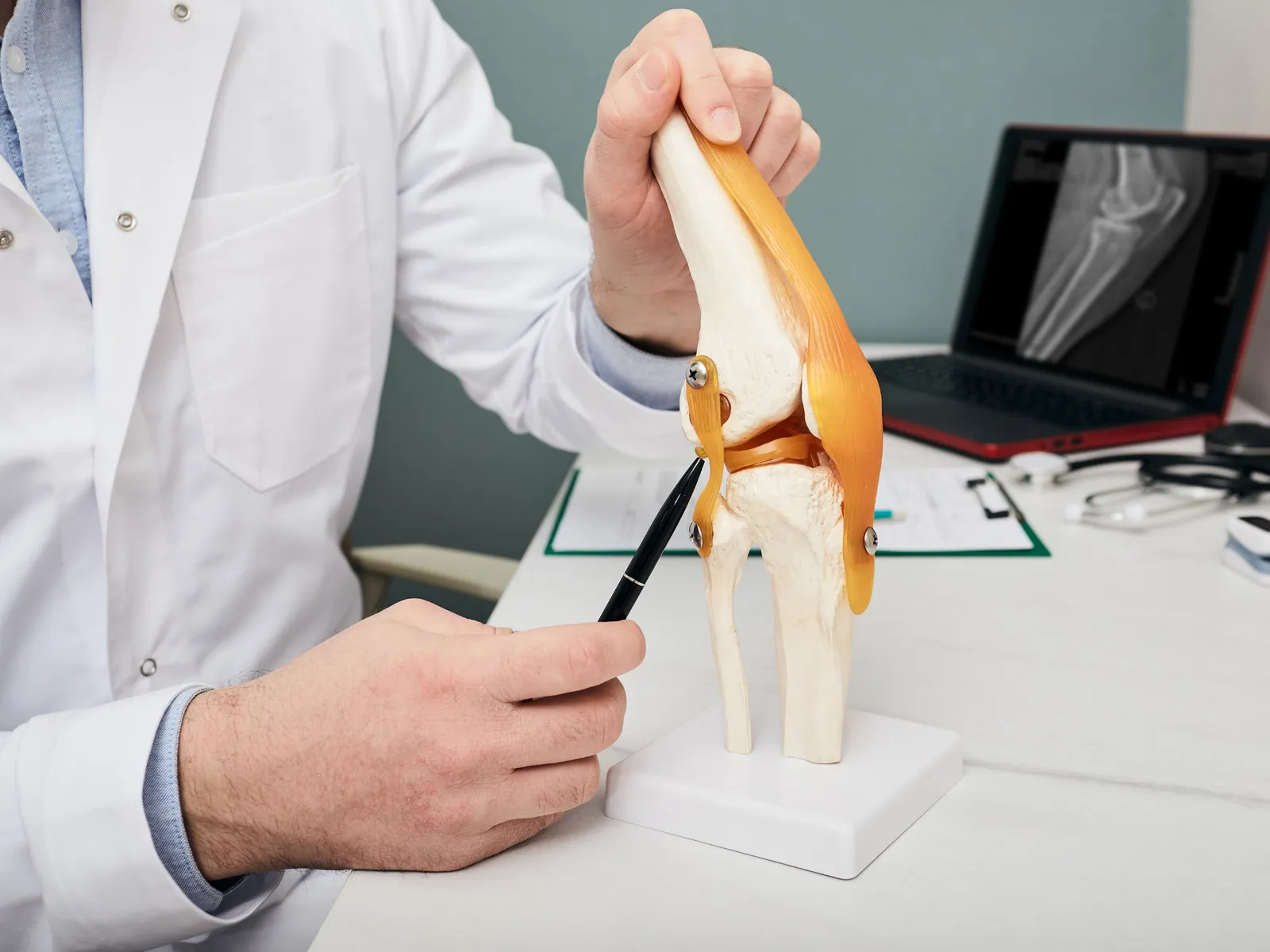
There are approximately 1.7 billion people globally who are living with musculoskeletal (MSK) conditions.1 Musculoskeletal pain can be caused by disorders of the muscles, bones, joints, ligaments, and tendons. The most common cause of musculoskeletal pain are sudden injuries, however other common conditions include arthritis, autoimmune disorders, mechanical lower back pain, and fibromyalgia.2
Injuries3
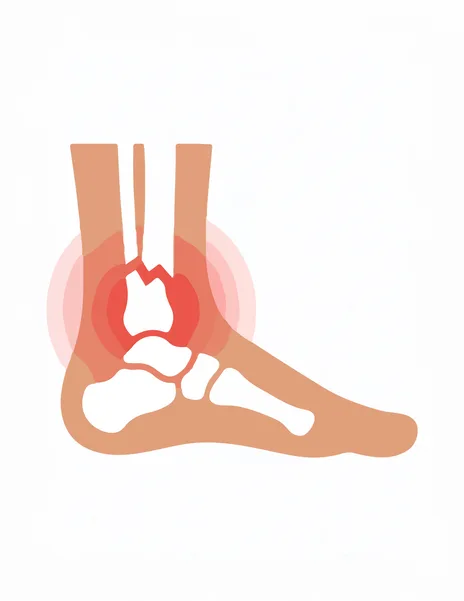
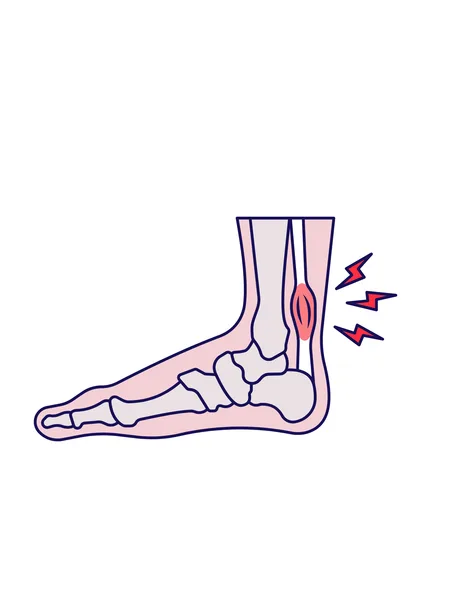
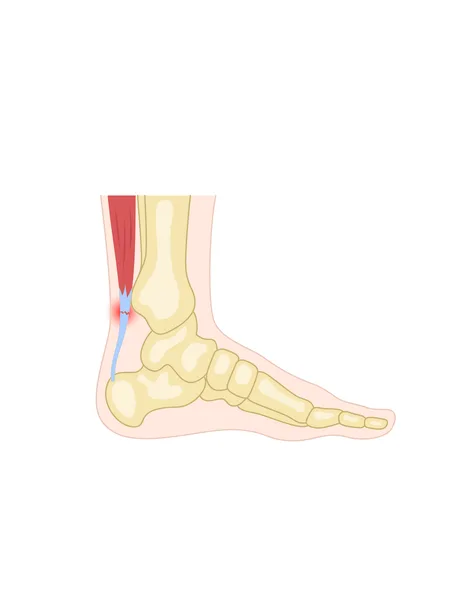
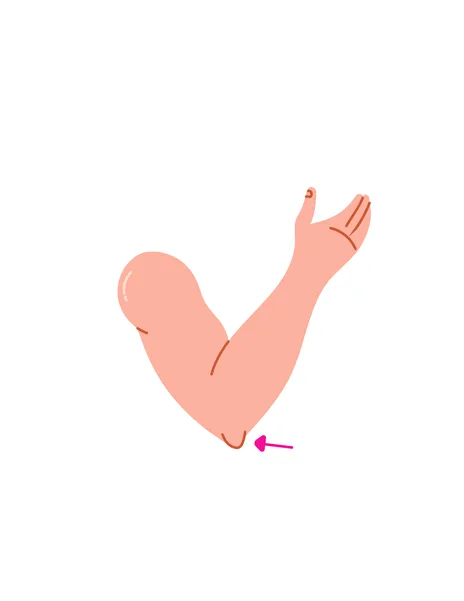
Acute injuries such as sprains (stretched or torn ligaments), strains (stretched or torn tendons), and bone fractures can lead to immense musculoskeletal pain. Overuse injuries can occur from repetitive motion and demand on muscles, bones, joints, ligaments, or tendons over time. Overuse injuries include tendinitis (tennis elbow, jumper’s knee) or stress fractures.
Arthritis4
Arthritis refers to inflammation of the joints. Osteoarthritis and rheumatoid arthritis are common forms of arthritis that can lead to pain, stiffness, swelling, and eventual damage of the joints. MSK pain from arthritis is usually stiff and achy in nature and can range from mild to severe. Joint pain can sometimes worsen with movement.
Autoimmune disorders4
Systemic lupus erythematosus (SLE) is one of the most common autoimmune conditions behind MSK pain. SLE can affect many organ systems including the joints, tendons, and other connective tissues. It can also result in inflammatory arthritis or fibromyalgia which are individual conditions behind MSK pain.
Neck pain and low back pain2,5
Neck pain is one of the most prevalent MSK disorders globally. It commonly develops from poor posture, sudden movements (such as whiplash), overuse of the stabilizing neck muscles, or age-related changes in the cervical discs or facet joints.
Low back pain is the leading cause of disability globally. It can develop as a result of degenerative changes, poor posture, injuries, or certain spinal conditions.
Fibromyalgia5
Fibromyalgia is a disorder that causes a host of symptoms including fatigue, poor sleep, and widespread MSK pain. It usually causes pain in the muscles, tendons, or ligaments. This pain could also be felt in multiple locations but is usually not coming from the joints.
References
- Liu M, Rong J, An X, et al. Global, regional, and national burden of musculoskeletal disorders, 1990-2021: an analysis of the global burden of disease study 2021 and forecast to 2035. Front Public Health. 2025;13:1562701. Published 2025 Aug 1. doi:10.3389/fpubh.2025.1562701
- Musculoskeletal health. World Health Organization. 2022. Accessed October 13, 2026. https://www.who.int/news-room/fact-sheets/detail/musculoskeletal-conditions
- Musculoskeletal Pain: What It Is, Symptoms, Treatment & Types. Cleveland Clinic. September 7, 2023. Accessed October 13, 2026. https://my.clevelandclinic.org/health/symptoms/musculoskeletal-pain
- Foster ZJ, Day AL, Miller J. Polyarticular Joint Pain in Adults: Evaluation and Differential Diagnosis. American Family Physician. 2023;107(1):42-51. Accessed October 13, 2026. https://www.aafp.org/afp/2023/0100/polyarticular-joint-pain
- Hartvigsen J, Hancock MJ, Kongsted A, et al. What low back pain is and why we need to pay attention. Lancet. 2018;391(10137):2356-2367. doi:10.1016/S0140-6736(18)30480-X
Disclaimer
The information provided is for general informational and educational purposes only. It is not intended to serve as medical advice, diagnosis, or treatment. The content is written by a licensed pharmacist and reflects general knowledge and expertise in the healthcare field, but it is not a substitute for professional medical advice from a qualified healthcare provider.
Always consult your physician, pharmacist, or other qualified healthcare professional before starting, stopping, or modifying any medication, treatment, or health regimen. Individual health conditions and needs vary, and only a healthcare professional can provide personalized advice tailored to your specific situation.
While we strive to ensure the accuracy and currency of the information presented, medical knowledge is constantly evolving, and errors or omissions may occur. The blog's content does not cover all possible uses, precautions, side effects, or interactions of medications or treatments. Reliance on any information provided is solely at your own risk.
Links to external websites or resources are provided for convenience and do not imply endorsement or responsibility for their content.